




Does whisky expire?
Got a dozen bottles of half-finished whisky at home? We’ll hold our hands up and say, us too!
Different whiskies are better suited to different occasions, and it’s nice to have a little choice. But when a bunch of opened bottles have been lurking at the back of the cupboard for a long time, it does make you wonder, are they still okay to drink? Or can whisky expire?
While whisky doesn’t expire in the same way milk, beer, or wine can, it often changes in colour, aroma, and flavour if it’s exposed to too much air, light, or heat. Here’s everything you need to know about the shelf life of your favourite tipple so your precious whiskies don’t go to waste.
Looking for something new to satisfy your palate? Browse our whisky tasting sets, filled with five delicious miniature whiskies for a tasting night at home.
Key takeaways
- Whisky doesn’t expire or spoil in the traditional sense, as it doesn’t become unsafe to drink after being left open for a while.
- Unopened whisky can last for decades if the seal is intact and the bottle is stored correctly.
- Whisky doesn’t continue to age once it has been bottled.
- An opened whisky can slowly lose flavour and aroma due to air exposure.
- Direct sunlight, heat, and temperature changes can all affect the taste and appearance of whisky.
- A half-full bottle will usually keep its character for longer than a bottle with only a small amount left.
- If your whisky smells flat, musty, or unpleasant, it may be past its best-by date.
Has your whisky gone bad?
Probably, but most likely not in the way you’re thinking.
Whisky is a high-strength spirit, which means it’s far more stable than many other drinks, as it doesn’t turn sour, grow bacteria, or become dangerous just because it has been open for a while.
Does unopened whisky expire?
As long as the bottle remains unopened and is stored properly, it could (in theory) last for decades and will pretty much taste the same as it did on the day you originally bought it. It will probably lose some of its character, but it’s not a dramatic change.
However, unopened doesn’t mean indestructible. If you leave a bottle of whisky in direct sunlight or near a heat source, such as a radiator, the heat can cause some of the liquid to evaporate, change the whisky's colour, and even damage the cork or label.
For the best results, keep unopened whisky in a stable, dry, and shaded place, such as a drinks cabinet, cupboard, or wine cellar.
Does whisky age in the bottle?
No, whisky doesn’t continue to age once it has been bottled.
A 12-year-old whisky will still be a 12-year-old whisky even if you keep it unopened for another 20 years. The ageing process occurs as the whisky matures in the cask, where it interacts with the wood and develops flavour, colour, and complexity.
Once the whisky is bottled, that maturation process stops, so you don’t have to panic about your oldest whisky in your collection turning into dust!
Does whisky go bad once opened?
Once the seal is cracked, the clock starts ticking.
Technically speaking, whisky can never truly spoil or ‘go bad’, as in, you won’t get ill because you dared to drink a dram that was opened last Christmas!
But once the bottle is open and you’ve poured a couple of drinks, it’s at risk of something called ‘flavour drift’. That’s because the whisky becomes exposed to oxygen, and fresh air enters the bottle every time it’s opened, causing subtle changes as time goes on.
Over time, the whisky's flavour profile will deteriorate, the overall alcohol content will change, and the colour may also fade. So while whisky doesn’t expire and it won’t necessarily taste bad, it will taste very different.
Why does flavour drift happen?
This process of ‘flavour drift’ usually happens for three reasons:
1. Exposure to oxygen
Oxygen is your dream’s greatest enemy.
Essentially, it interacts with and breaks down the molecules that give it its unique taste and aroma. And after a while, this process will have a noticeable (sometimes negative) impact on its flavour.
As soon as you take off the bottle cap, it’s no longer airtight, and the whisky is exposed to oxygen. You then start a countdown that speeds up each time you pour yourself another drink.
If there’s more headspace in the bottle, that’s more space for oxygen, and the oxidation rate will increase.
2. Exposure to light
Sunlight can also have a big impact on the shelf life of your opened bottle of whisky.
Just like oxygen, direct UV light can break down the spirit's molecular structure, and over time, this can change its colour and significantly reduce its alcohol content, thereby affecting its taste.
If you want to display your bottles, choose a shaded cabinet or shelf away from direct UV light.
3. Temperature fluctuations
When it comes to the long-term storage of open bottles, a stable temperature is key.
Whisky contains chemical compounds called terpenes, which are partially responsible for its aromas and flavours. Temperature changes can alter and degrade these compounds, weakening them. Plus, it can cause the whisky to expand and contract, absorbing oxygen along the way.
These processes will alter the whisky's taste,sometimes even rendering it undrinkable! That’s why you should aim to keep an open bottle at a consistent temperature of around 15-18°C.
How long does whisky last once opened?
Most experts agree that, from the point at which you crack open a bottle and enjoy your first snifter, whiskies can usually last for up to 2 years.
However, this is only if the bottle is at least half full. There’s no exact expiry date we can give you since it depends entirely on the conditions in which your whisky is stored, but here’s a little guideline to help you out:
|
Bottle level |
Drinking window |
|
Almost full |
Best within 1–2 years for peak flavour |
|
Half full |
Best within 6–12 months |
|
Around a quarter full |
Best within 3–6 months |
Of course, these are only estimates. Depending on oxygen and sunlight exposure, as well as temperature fluctuations, the numbers may go up and down, and the exact time it takes for flavour drift to occur can vary.
The main thing to remember is that the more empty space there is in the bottle, the more air there is in contact with the whisky, which causes the most changes in your whisky.
How can you tell if whisky has changed?
It might be hard to tell if a whisky has gone ‘bad’ just by looking at it, which is why you need to use all of your senses.
Check the bottle for any signs of crumbling, damaged seals, or visible mould around the cork. Has the liquid dropped significantly despite the bottle not being poured from?
If it smells flat, musty, stale, or unpleasant, it may no longer be enjoyable to drink, but you’re best taking a sip to test it out before you bin it. If it simply tastes softer or less lively than before, it’s probably just past its best. However, if it tastes dull or completely different from how you remember it, it may be time to let it go.
Whisky miniatures: a smarter way to explore whisky
Ashamed to admit how many whiskies are currently open in your kitchen cupboard?
Perhaps you just enjoy a little tipple every now and then and could never get through a full bottle in 3 months? Or maybe you want to expand your whisky repertoire without opening a full bottle every time?
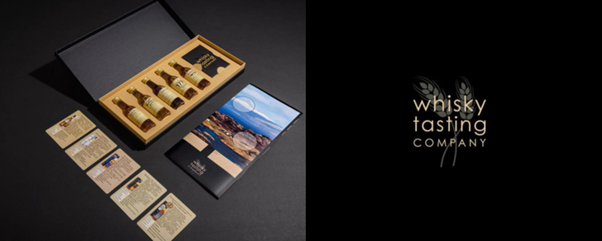
If so, we have the perfect solution! At Whisky Tasting Company, we partner with a wide range of whisky producers from Scotland and beyond to create tasting sets featuring carefully decanted 30ml whisky miniatures.
Each set gives you enough whisky to enjoy a proper tasting experience, without the worry of half-finished bottles sitting open for too long, and they make an excellent gift for whisky lovers who enjoy variety.
Whether you’re new to whisky or already know your way around a dram, our whisky tasting sets are a simple way to discover something new and enjoy whisky while it’s fresh.